Why Doesn't My Dog Eat? Understanding Your Furry Friend's Appetite Loss
There are few things more concerning to a dog owner than watching their beloved companion turn their nose up at dinner. We all know that a dog's enthusiasm for food is usually boundless, so when they suddenly stop eating, it immediately triggers alarm bells. If you are frantically searching for answers to the question, "Why Doesn't My Dog Eat?", take a deep breath. You are not alone, and often, the reason is less severe than you might think.
Appetite loss, known medically as anorexia, can range from a temporary inconvenience to a sign of a serious underlying health issue. Understanding the difference between a dog being a little picky and a dog actually being sick is the first step toward getting them back on track. We will explore the most common medical, behavioral, and environmental reasons for this sudden shift.
Remember, if your dog has refused to eat for more than 48 hours, or if they show other serious symptoms like vomiting, lethargy, or diarrhea, immediate veterinary attention is necessary.
Medical Reasons: When to Worry
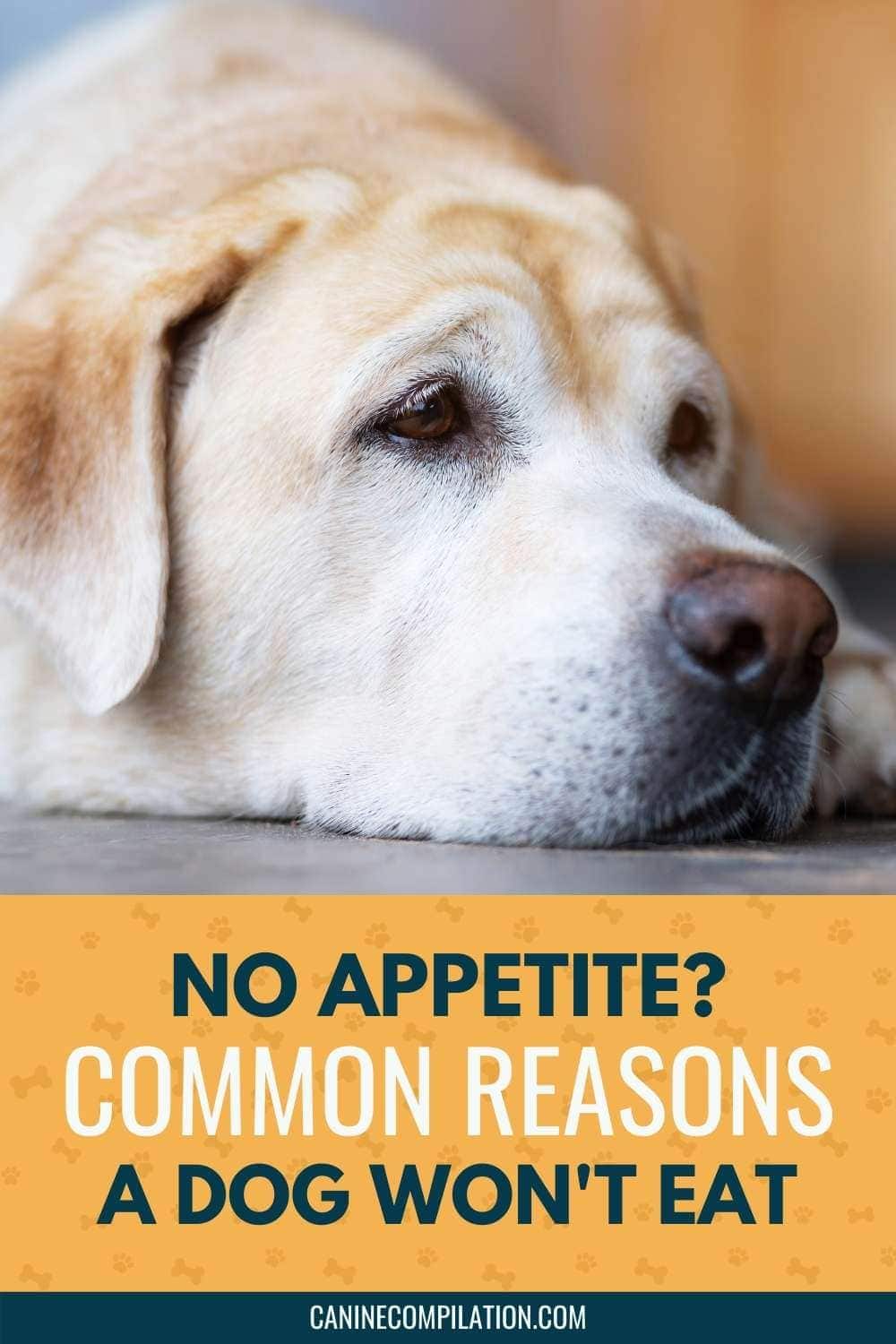
If your dog suddenly stops eating, especially if they usually have a robust appetite, a medical issue should be your primary concern. A genuine loss of appetite due to illness is different from being merely bored with their food.
Many diseases, both acute and chronic, can cause dogs to stop eating. These conditions often cause nausea, fever, or generalized discomfort that makes the thought of food repulsive. This is why a vet visit is essential if the food strike persists.
Dental Issues and Oral Pain
This is one of the most overlooked medical reasons. Imagine how difficult it would be to chew crunchy kibble if your mouth hurt! Dental problems often cause significant pain, making eating a miserable experience, even if the dog is hungry.
If you notice your dog approaching the bowl but then whimpering or backing away, oral pain might be the culprit. Furthermore, look for other signs of mouth discomfort.
- Excessive drooling or pawing at the face.
- Bleeding gums or visible plaque buildup.
- Preference for soft foods over hard kibble.
- Bad breath (halitosis).
Gastrointestinal Trouble
Issues related to the digestive tract are very common causes for a dog refusing to eat. If the stomach or intestines are upset, the dog will naturally avoid adding more fuel to the fire. This could range from mild gastritis to severe pancreatitis or even an obstruction.
Sometimes, dogs swallow foreign objects like toys or socks. These obstructions prevent food from passing normally, causing nausea and often immediate refusal to eat. If appetite loss is accompanied by repetitive vomiting, this is an emergency situation.
Behavioral and Environmental Factors
If your veterinarian rules out serious medical issues, the next likely cause for "Why Doesn't My Dog Eat?" lies in their environment or their own personal preferences. Dogs are creatures of habit, and their appetite can be sensitive to change.
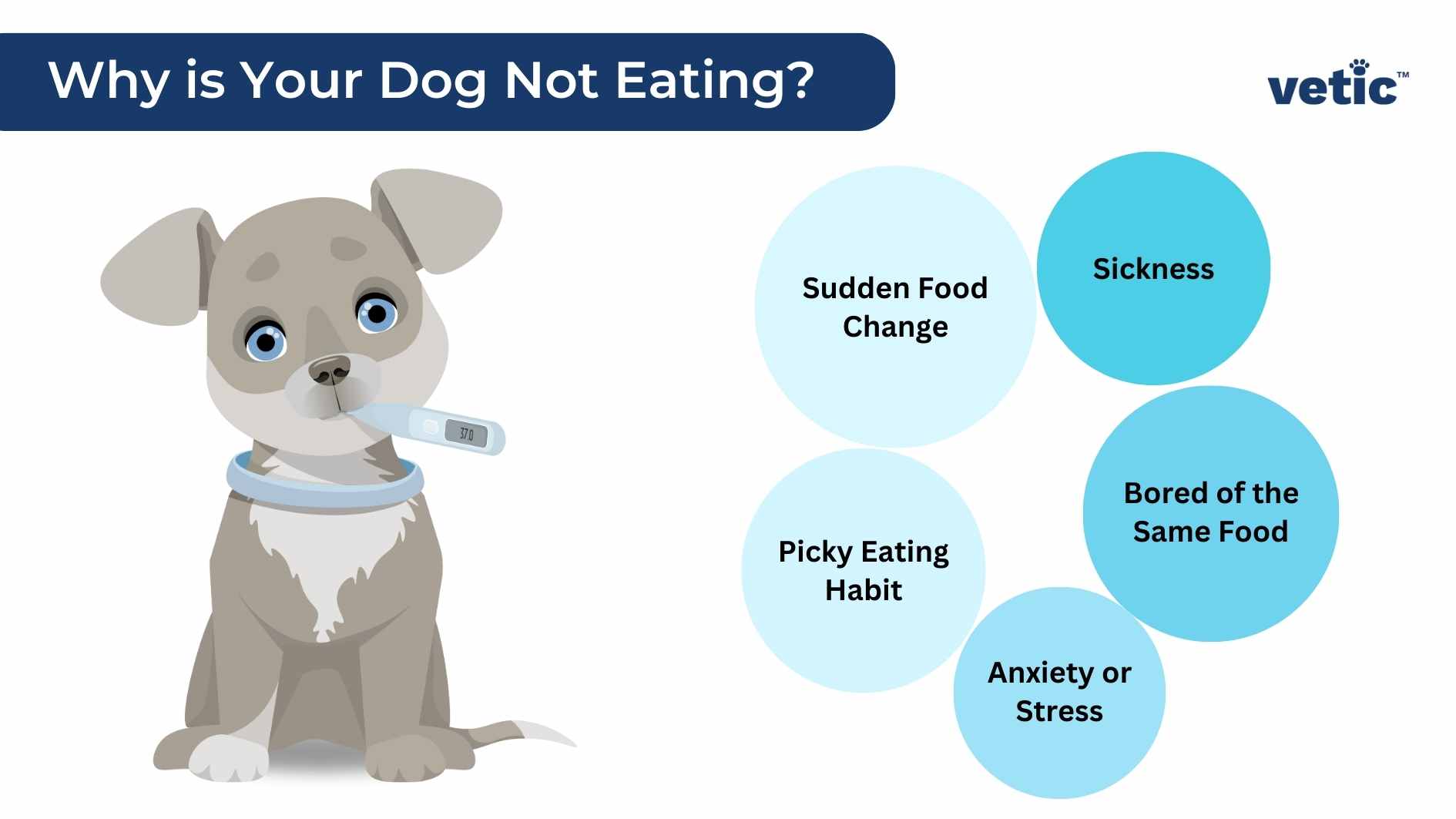
Stress, Anxiety, and Routine Changes
Just like humans, dogs can lose their appetite when they are stressed. A change in the home environment can be extremely unsettling for them. Did you recently move? Did a new pet or baby join the household? Even severe weather or loud noises can trigger appetite suppression.
Furthermore, separation anxiety can cause dogs to completely ignore food while you are away. Ensuring a calm, predictable feeding schedule in a quiet, safe location can often resolve this type of emotional hunger strike quickly.
Picky Eating: Boredom or Holding Out for Better Treats?
Sometimes, your dog isn't sick; they are just acting like a furry, four-legged toddler. They know that if they hold out long enough, you might give them something better, like human scraps or tasty wet food. This is especially true if you have been inconsistent with their diet.
When trying to determine if your dog is truly sick or just being picky, offer them a high-value treat, like a small piece of cheese or boiled chicken. If they gobble that up but refuse their kibble, you likely have a behavioral issue, not a medical one. This is often called "Learned Anorexia."
The Effect of Too Many Snacks
Treats are fun, but they can quickly fill up a small dog or a medium-sized dog that isn't particularly active. If your dog is getting a lot of caloric intake throughout the day from treats, dental chews, or food puzzles, they simply won't be hungry for their main meals.
Vets recommend that treats should only make up about 10% of a dog's daily calorie intake. Check how much you are actually feeding between meals.
Food Quality and Presentation Matters
Even the highest quality food can become unappealing if it isn't stored properly or if the dog has a sensitive palate. Never underestimate your dog's sense of smell!
Is the Food Fresh?
Kibble, even dry kibble, can go stale or absorb moisture and mold if left open. Fats in the food can also go rancid, giving off a scent that dogs find unpleasant. If you purchase large bags of food, ensure you are storing them in an airtight container in a cool, dark place.
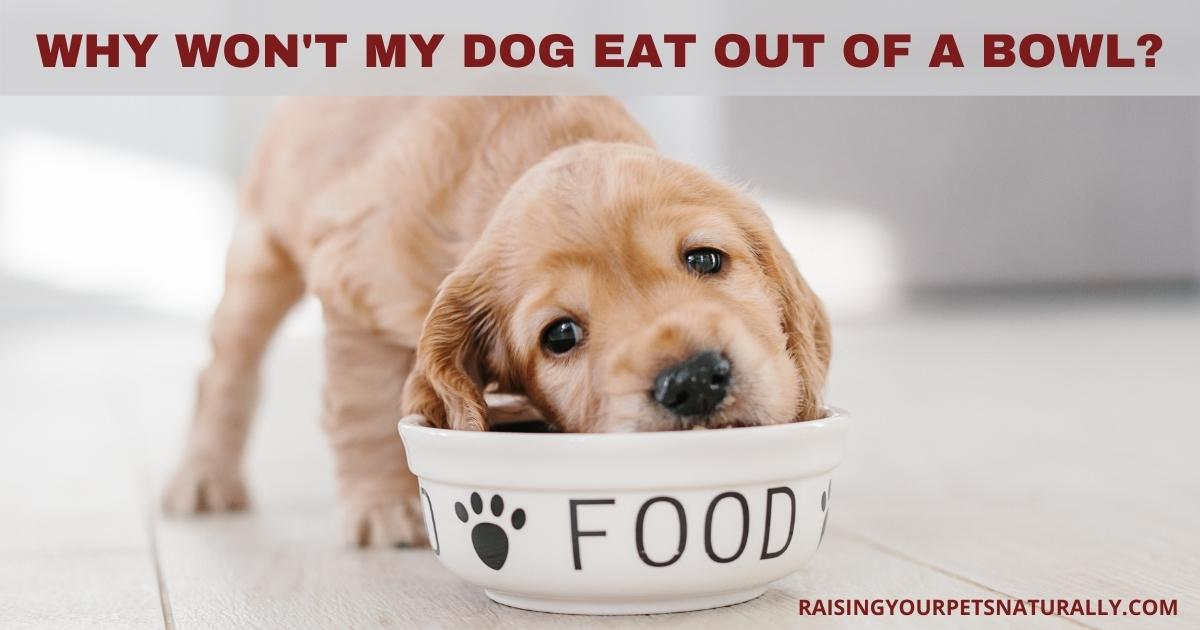
Additionally, check the feeding bowls. Dirty bowls, especially plastic ones that harbor bacteria and odors, can be enough to deter a sensitive eater. Try switching to stainless steel bowls and cleaning them daily.
If you have recently switched your dog's food, they might simply dislike the new flavor or texture. Always transition food slowly over seven to ten days to avoid stomach upset and behavioral rejection.
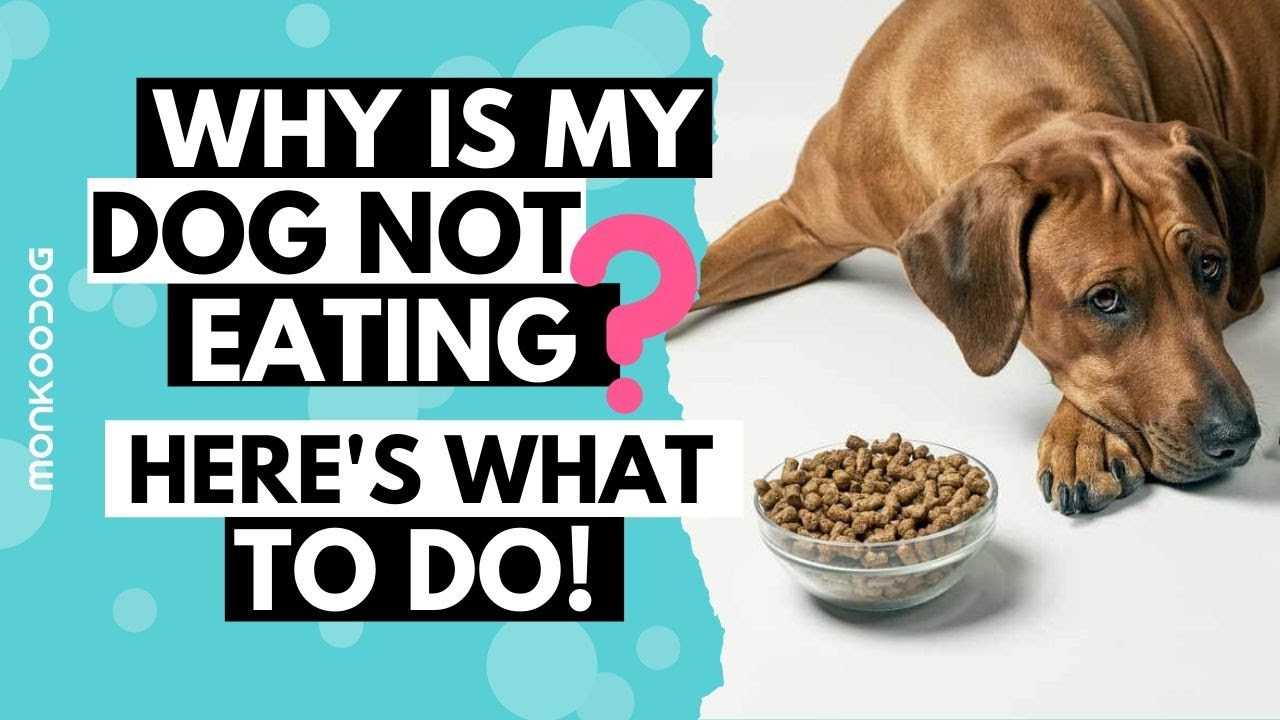
What Should You Do When Your Dog Won't Eat?
If you're convinced your dog is merely being picky and is otherwise healthy, you need to set boundaries. Here is a simple, effective plan:
- **Offer the meal:** Put the food down for 15-20 minutes.
- **Remove it:** If the dog hasn't eaten after the time limit, pick up the bowl. Do not leave it out for them to graze.
- **No Snacks:** Do not offer any treats, table scraps, or high-value items until the next scheduled meal.
- **Repeat:** Offer the exact same food at the next feeding time.
Healthy dogs will not starve themselves. If they are truly hungry, they will eat the food offered. This method teaches them that food is available on your schedule, not theirs, and helps re-establish a healthy appetite.
Conclusion: Solving the Mystery of Why Doesn't My Dog Eat
The reasons behind a sudden refusal to eat are varied, spanning serious medical conditions to simple environmental boredom. If your dog is lethargic, vomiting, or showing signs of pain, the answer to "Why Doesn't My Dog Eat?" needs professional veterinary input immediately. However, if they are energetic and happy, behavioral modifications—such as limiting treats and sticking to a firm feeding schedule—are often the key to resolving the issue.
By closely observing your dog's behavior and ruling out major health concerns, you can swiftly identify the root cause and get your furry friend happily devouring their meals once again.
Frequently Asked Questions (FAQ)
- What if my dog is only refusing kibble, but eats treats?
- This strongly suggests a behavioral or learned picky eating habit, not a medical issue (unless there is mild dental pain). Your dog is holding out for higher value rewards. Stick to the 15-minute rule and do not give in to treats until they eat their main meal.
- How long can a healthy dog go without eating?
- While a dog can technically survive for days without food, vets recommend seeing a professional if appetite loss lasts more than 48 hours, especially if your dog is small, very young, or elderly. For puppies, refusal to eat requires immediate attention.
- Could a new medication be why my dog doesn't eat?
- Yes, absolutely. Many medications, including antibiotics and anti-inflammatories, can cause nausea or general stomach upset, which suppresses appetite. Always discuss potential side effects with your vet when starting a new drug regimen.
- My dog only eats when I hand-feed them. Why?
- This is a learned dependency behavior often initiated by owners trying to coax a sick dog to eat. If your dog is otherwise healthy, stop hand-feeding. This reinforces the idea that the food is only available if you personally present it, turning mealtime into a stressful performance rather than a normal routine.
Why Doesn'T My Dog Eat
Why Doesn'T My Dog Eat Wallpapers
Collection of why doesn't my dog eat wallpapers for your desktop and mobile devices.
Captivating Why Doesn't My Dog Eat Landscape for Mobile
This gorgeous why doesn't my dog eat photo offers a breathtaking view, making it a perfect choice for your next wallpaper.

Captivating Why Doesn't My Dog Eat Photo in 4K
Find inspiration with this unique why doesn't my dog eat illustration, crafted to provide a fresh look for your background.
Exquisite Why Doesn't My Dog Eat Landscape for Desktop
A captivating why doesn't my dog eat scene that brings tranquility and beauty to any device.

Beautiful Why Doesn't My Dog Eat Picture for Desktop
Experience the crisp clarity of this stunning why doesn't my dog eat image, available in high resolution for all your screens.
Breathtaking Why Doesn't My Dog Eat Design in 4K
Discover an amazing why doesn't my dog eat background image, ideal for personalizing your devices with vibrant colors and intricate designs.

Beautiful Why Doesn't My Dog Eat View for Desktop
Experience the crisp clarity of this stunning why doesn't my dog eat image, available in high resolution for all your screens.

Beautiful Why Doesn't My Dog Eat Design in HD
Explore this high-quality why doesn't my dog eat image, perfect for enhancing your desktop or mobile wallpaper.

Crisp Why Doesn't My Dog Eat Image Photography
Find inspiration with this unique why doesn't my dog eat illustration, crafted to provide a fresh look for your background.
Beautiful Why Doesn't My Dog Eat Abstract Concept
Transform your screen with this vivid why doesn't my dog eat artwork, a true masterpiece of digital design.

Amazing Why Doesn't My Dog Eat Background Nature
Explore this high-quality why doesn't my dog eat image, perfect for enhancing your desktop or mobile wallpaper.

Spectacular Why Doesn't My Dog Eat View Nature
This gorgeous why doesn't my dog eat photo offers a breathtaking view, making it a perfect choice for your next wallpaper.

Vibrant Why Doesn't My Dog Eat Wallpaper for Your Screen
Transform your screen with this vivid why doesn't my dog eat artwork, a true masterpiece of digital design.

Stunning Why Doesn't My Dog Eat Picture in 4K
A captivating why doesn't my dog eat scene that brings tranquility and beauty to any device.

Breathtaking Why Doesn't My Dog Eat Background for Mobile
Experience the crisp clarity of this stunning why doesn't my dog eat image, available in high resolution for all your screens.
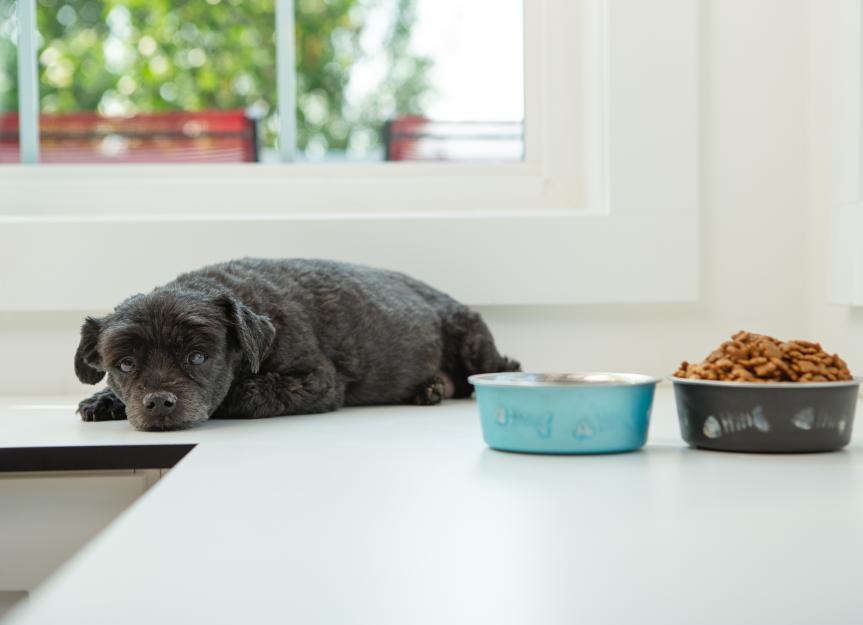
Beautiful Why Doesn't My Dog Eat Abstract for Mobile
Discover an amazing why doesn't my dog eat background image, ideal for personalizing your devices with vibrant colors and intricate designs.
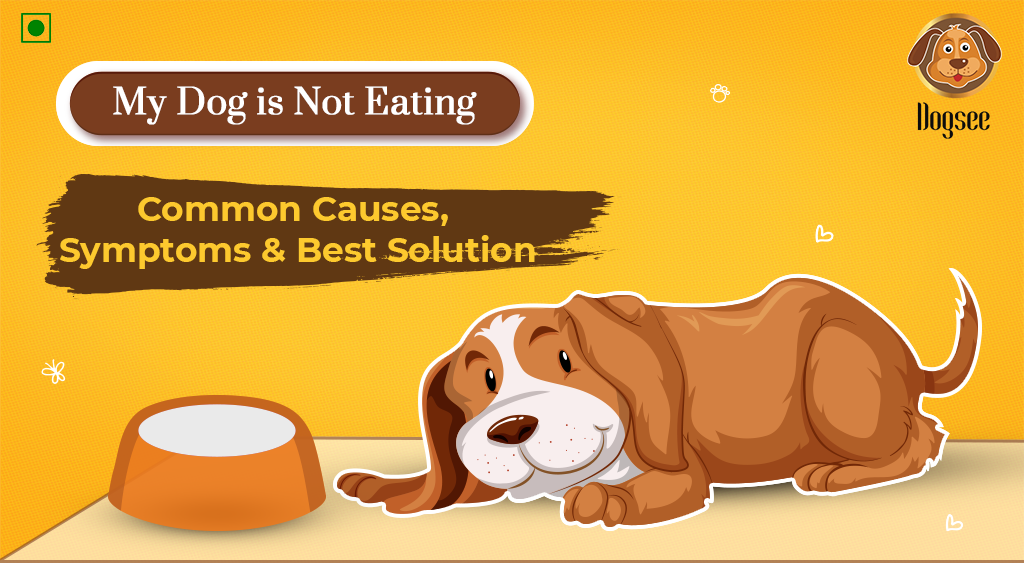
Lush Why Doesn't My Dog Eat Capture in 4K
Immerse yourself in the stunning details of this beautiful why doesn't my dog eat wallpaper, designed for a captivating visual experience.

Amazing Why Doesn't My Dog Eat Background for Desktop
Explore this high-quality why doesn't my dog eat image, perfect for enhancing your desktop or mobile wallpaper.

Artistic Why Doesn't My Dog Eat Wallpaper in HD
This gorgeous why doesn't my dog eat photo offers a breathtaking view, making it a perfect choice for your next wallpaper.
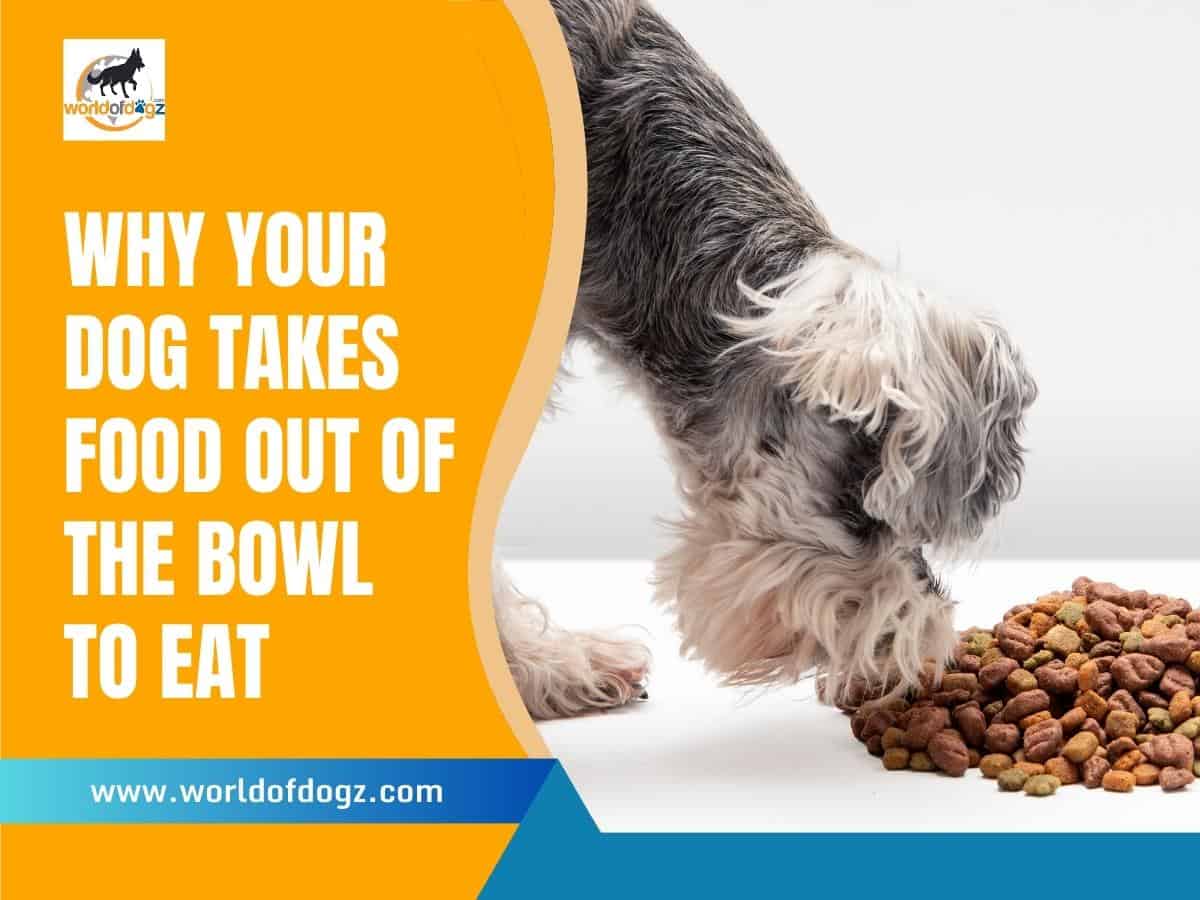
Artistic Why Doesn't My Dog Eat Moment for Mobile
Find inspiration with this unique why doesn't my dog eat illustration, crafted to provide a fresh look for your background.

Vivid Why Doesn't My Dog Eat Background Concept
Discover an amazing why doesn't my dog eat background image, ideal for personalizing your devices with vibrant colors and intricate designs.
Download these why doesn't my dog eat wallpapers for free and use them on your desktop or mobile devices.